15 tips for No-Spend week

Personal Finance ・Save Money

How to Do a Successful No-Spend Week: Even if it’s Your First Time.

By: A. Gokkul  

Table of Contents

What would happen if you stopped spending money for just one week? No impulse buys, no takeout, no “just this once” purchases…..Nothing much, but you will save some money, which will save you in your bad times.

A no-spend week may sound extreme, but it’s one of the simplest ways to break bad spending habits and become mindful of where to spend. In these seven days, you will avoid unnecessary expenses and learn how to live creatively with what you already have, if you take this challenge.

Maybe you’re new to money management or need a quick financial reset. These 15 realistic tips will help you complete a no-spend week successfully.

Let’s pause for a moment here…., and let me answer the most common questions many people have, so you can feel more confident and prepared moving forward.

What Is No-Spend Challenge?

First of all let me make it clear, no-spend challenge is a personal commitment to cut out non-essential purchases for a set amount of time, whether that’s a day, a week, or even a full month. The goal is to become more mindful of your spending, save extra money, and clearly see the difference between true needs and simple wants.

During the challenge, you only pay for necessities like rent, bills, and groceries. That means no dining out, no entertainment expenses, and no shopping for unnecessary extras.

Simply, a no-spend challenge isn’t only about saving money; it’s also about gaining self-awareness and living more intentionally.

What A No-Spend Day Taught Me….

When I was looking for ways to save money to build my emergency fund, I came across many different tips and strategies. But one idea that really stood out to me was the no-spend challenge. I decided to start small by trying it for just one day.

“It is always better to dip a toe and check the water’s temperature before diving into it.”

That single day taught me more than I expected. I realized how often I was using money as a quick solution to small problems instead of slowing down and thinking first.

For example, I spent nearly 20 minutes searching for packaging tape at home but couldn’t find it. Frustrated, I went straight to Walmart and bought a new one. The very next day, while cleaning, I discovered the old tape sitting right behind my refrigerator.

That moment was a simple but powerful lesson. If I had been more organized and patient, I could have saved both time and money. The no-spend challenge helped me see that saving isn’t always about big sacrifices; it’s often about being more mindful with the little everyday decisions.

Now the second question comes to mind is…..

Why No-Spend Week?

In my opinion…

Doing a Buy Nothing week can be one of the simplest and most powerful ways to reset your finances and your mindset. Let me explain to you why it’s worth trying:

First of all, a no-spend week helps you save money quickly without a complicated budget. Just seven days of skipping takeout, impulse purchases, and unnecessary shopping can leave you with extra cash at the end of the week.

It also makes you more aware of your spending habits. Many of us spend money automatically, on coffee runs, online deals, or little treats, without even realizing how often it adds up. It forces you to pause and ask, “Do I really need this?”

Another big reason is that it helps you break the impulse to buy. When you remove the option to buy unnecessary things for a week, you learn how to handle cravings, boredom, or emotional spending in healthier ways.

This challenge can also help you use what you already have. You’ll get creative with meals from your pantry, enjoy free activities, and realize you don’t need to spend money to have a good week.

Finally, it gives you a sense of control and confidence. Completing a zero-spending challenge proves that you can stick to financial goals.

The Lessons Completely Changed. How I See Money Now? 

Through my spending freeze challenge, I learned that saving money isn’t only about cutting back, it’s about becoming more intentional with everyday life.

One of the biggest lessons was the importance of staying organized. When everything has a proper place, you waste less time searching, and you’re far less likely to replace things you already own. Small habits like this can prevent unnecessary purchases.

I also learned to pause before spending. During this zero-spending reset, I started thinking twice, or even three times, before buying something. Most of the time, what feels urgent in the moment isn’t actually necessary.

This challenge reminded me that both time and money are valuable resources. Once they’re gone, you can’t easily get them back, so it’s worth using them wisely.

Another surprising takeaway was creativity. When you’re not relying on shopping as the solution, you start finding new ways to make do with what you already have. That’s where real frugality begins.

And most importantly, I realized that frugal living isn’t about living cheaply, it’s about living with purpose. It’s about respecting the value of every dollar and appreciating what you already own.

Since starting this financial reset, I’ve even begun fixing things instead of instantly buying replacements. That mindset shift alone has helped me save more than I expected.

“After the expense-free day, I started thinking about the week ahead—but before jumping in, I knew it was important to make sure I fully committed to the challenge, so I began figuring things out…”

Why People Often Quit a No Spend Challenge?

Even with the best intentions, many people find themselves giving up on a zero-spending week. Here is why, and knowing these pitfalls, you can prepare better to stick to your goals with confidence.

  • Lack of planning
  • Emotional spending
  • Peer pressure or social events
  • Unrealistic goals 
  • Temptation from convenience

After experiencing the eye-opening lessons of a spending freeze myself, I realized that making small, intentional changes can have a big impact. To help you get started, I’ve put together 15 practical tips for a no-spend week.

Before getting started….I Prepared.

No-Spend Week Checklist

⚈ Set a goal (for example: save $___, break impulse spending, or reset habits)

⚈ Remove temptations (delete shopping apps, unsubscribe from emails)

⚈ Stock basic groceries and snacks before Day 1

⚈ Freeze you Credit cards, remove them from your phone wallet, and leave them at home when you go out.

Make a list of free activities for the week

⚈ Track your progress daily to stay motivated

Have a plan for cravings now, not at the moment. (Decide your response: what will you do when cravings hit?) Wait 24 hours, journal, do something free.)

Now, let me walk you through the tips to make Money Saving Challenge successful even if it’s your first time.?

1. Set Clear Rules Before You Start

No-spend week rules and exceptions should be completely clear before you begin. When guidelines are too vague, it’s easy for your brain to find loopholes and justify unnecessary purchases. Below are the rules that I follow during my spending detox time 

Rule 1. Only spend on true essentials.

Rule 2: No Discretionary Spending.

Rule 3: Use What You Already Have.

Rule 4: Plan Your Exceptions Ahead of Time.

Rule 5: No “Just This Once” Spending

Rule 6: Track Every Temptation

Rule 7: Focus on the Purpose, Not Perfection

2. Choose the Right Week

Don’t just wake up in the morning and decide that this week will be my no spend, you will fail and never try again. The right way to start is to pick a week with fewer social plans or events for instance, choosing a week during Christmas break will be a bad idea. Beginning during a busy or emotional week makes the challenge harder than it needs to be.

3. Tell Yourself It’s Temporary

Remind yourself that this is only for seven days, not for life. Knowing the challenge has an end date makes it much easier to stick with it. Have your goal on your phone wallpaper or somewhere visible more often, so you stay motivated.

4. Plan Your Meals in Advance

Meal planning is one of the biggest success factors. Prepare a good menu for the purchase pause week according to your dietary needs and what you already have in stock. Now load your pantry, fridge, and freezer with necessary items.

5. Avoid Store Visits

Stay away from malls, because reducing temptation is more effective than relying on willpower. They are master in pulling money out of your pockets. Don’t hesitate to say no to yourself and your friends if they insist on it.

If you have to hit the store, please please go alone, don’t take your kids with you ( If you have kids, you know why I am suggesting it ), and make it quick in and out. Stay focused and buy only what is needed.

6. Track Urges You Want to Buy

Instead of buying something impulsively, write it down. Most wants fade within a few days, and this habit alone can save you money long term. And also, by the end of the 7TH day, you will come to know how your spending habits are affecting your bank balance.

7. Use What You Already Own

We all learned in school how to be resourceful, but as we grow, we learn many things and forget some essentials, which are very helpful in our daily lives. Challenge yourself to get creative with  what you already have. Look in your closet for the clothes you haven’t worn in a while, wear them if they still fit well, and be creative with leftover ingredients, YouTube for creative ideas. Try to fix items before replacing them.

8. Prepare Free Activities

Often, heavy spenders go shopping when they feel Bored leads to spending. If you will look for free alternatives around you will find many, I often visit library, call my friend for movie night, work out at home, or pass time at activity center near my home they have tons of activities to do all included in HOA fees.

9. Pay With Cash (If Possible)

In case you have to make any purchase, use cash. Using it makes buying more intentional; we always carry limited cash, so when money is physically limited, it becomes easier to take a pause and think before spending.

10. Identify Your Spending Triggers

Remember this: Awareness is the first step to breaking the habit. As dys will pass, you will notice what tempts you to spend; it may be stress, boredom, sales promotions, or peer pressure. Identify those triggers and creatively kill those urges. And again, “remember the ultimate goal.”

11. Pause Subscriptions and Auto-Payments

We’ve all done it, signed up for something we thought we’d use, clicked on an ad, or started a free trial, and then completely forgot about it. Life gets busy, and those subscriptions just sit there quietly taking money from your account every month. Before the week starts, take a few minutes to check your recurring expenses. Look through your credit card statement, find the ones you don’t really use, and cancel them. If you’re not sure, pause them for a week and see if you even miss them. Most of the time, you won’t, and that’s how you know they were never worth keeping.

12. Focus on Your “Why.”

Shopping temptations are going to show up, ads, sales, notifications, all of it. But this week, you just don’t open the door. I kept myself grounded by focusing on my why. My reason was simple: I wanted to break my spending habits and finally feel in control of my money. Keeping that goal in mind all the time helped me stay focused and make better choices, not just with money, but with my time, my energy, and even my health.

What are you saving for? An emergency fund, debt payoff, or just a calmer, stress-free financial life? Write your reason down. Keep it somewhere you can see it. And when temptation hits, remind yourself why you started, because that reason matters more than any sale ever will.

13. Celebrate Small Wins

Staying motivated matters because without it, it’s so easy to quit halfway through and feel like you wasted your time and energy. The simplest way to keep going is to celebrate the small wins. Seriously, they matter, especially the first time you try to change your habits. Those little victories give you the confidence to keep moving. And once you start seeing real results, motivation won’t feel forced anymore; it will come naturally.

Enjoy the process, not just the outcome. Celebrate every small step forward. Keep your focus on the bigger goal, and don’t get stuck thinking about “what you can’t buy.” Your mind will try to pull you off track; that’s normal. But every time you choose your goal over impulse, you’re building a stronger version of yourself. And that’s something worth showing up for every day.

14. Reflect at the End of the Day

At the end of each day, take a few minutes to write down what you learned. It might feel small, but it becomes incredibly powerful, especially when you try your next no-spend challenge. Write about what was hard, what surprised you, and the moments you didn’t expect. Then, at the end of the week, look back at it all.

You’ll start seeing patterns, triggers, and habits you didn’t even realize you had. That kind of reflection doesn’t just help with one challenge; it changes the way you think about money long after the challenge is over.

15. Apply the Lessons Going Forward

Now it’s time to take a quick inventory of your progress. Look at what you had, reflect on the lessons from past mistakes, and combine those insights to make your next experience even better. Use what you’ve learned to set smarter spending rules, whether it’s adding regular no-spend days or tightening your limits on impulse buys, so each step forward feels more intentional and rewarding.

Finally

Looking back on my no-spend week, I realize it was more than just a challenge; it was a small experiment that changed the way I see money, time, and even myself. I discovered the value of patience, the power of organization, and the satisfaction of making thoughtful choices instead of impulsive ones. 

Those lessons aren’t just for a week; they’ve become part of how I live, guiding me to be more intentional every single day. If you’ve ever wondered what it feels like to take control of your spending and truly appreciate what you already have, I’ve poured all my tips, insights, and strategies into this post so you can start your own journey and see the difference for yourself.

How to Outsmart Impulse Buying: 10 Simple Strategies

10 New Ways To Curb impulse buying

By: A. Gokkul 

Table of Contents

You are not alone who is feeling buyer’s remorse. Do not let impulse buying sabotage your saving. These 11 tips will help control your savings without killing the joy of shopping!!

1. Your Shopping List is Your Best Friend

Going shopping with a list is a smart move. It helps you stay focused on what you need and avoid those “just in case” items that can add up fast.

2. The 24-Hour Rule

One of my favorite rules: when I feel the urge to buy something, I write it down and wait at least 24 hours. Most of the time—about 90%—the craving goes away.

3. Set a Monthly “Fun Budget”

It’s important to give yourself a monthly “fun budget” for those spontaneous purchases. This way, you can treat yourself without messing up your finances.

4. Don’t Shop When You’re Emotional

Feeling bored, sad, or stressed? Shopping while emotional often leads to regret and can quickly snowball into debt. Try to find other ways to cope.

5. Unsubscribe from Marketing Emails

Those “50% off” emails are designed by pros to tempt you. Unsubscribing from sales alerts and newsletters helps you stay in control and avoid impulse buys.

6. Leave Your Credit Card at Home

Swiping a credit card is way too easy, and paying it off isn’t. Try leaving it at home, and also remove it from your digital wallet. Carry a debit card or cash instead. It’ll help you stick to your budget and stay debt-free.

7. Track Your Spending

Knowing where your money goes is key. It keeps you aware of your spending habits and helps you stay in control. Try using a free spreadsheet or budgeting app to track everything.

8. Stop Browsing “Just to Look”

Don’t fall into the trap. Whether you’re shopping online or in-store, browsing for fun often turns into impulse buying. If you don’t need it, skip it.

9. Make a Wish List

Write it down instead of buying it right away. Create a wish list and revisit it after a week or two. Chances are, you’ll decide you don’t want most of the items.

10. Shop with Purpose

Shop when you need something, not just to pass the time. Find other fun activities that don’t involve spending money.

9 powerful tips to cut your grocery bills by 30%

Hate Coupons? Here’s How to Cut Your Grocery Bill By 30% Without Them

By: A. Gokkul  

Do you hate clipping coupons? Don’t worry, you’re not alone.
If the thought of hunting down deals and scanning barcodes makes your head spin, no problem, I’ve got your back.

You don’t need a folder full of coupons to slash your grocery bill.

In fact, with a few smart moves and everyday hacks, you can cut your spending by 30% (or more) without touching a single coupon.

Let’s dive into the real money-saving tricks that actually work, and no scissors required

Table of Contents

1.

Plan Your Meals Ahead

Meal planning is a total game-changer.

Create a quick menu for the week and build your grocery list around it. You’ll dodge buying a bunch of random crap you’ll never use, and it keeps you from tossing out food that goes bad. It saves you cash and cuts the food waste significantly.

2.

Stay Focused: Shop Only What’s on Your List

When you hit the store, don’t get sidetracked, stick to your list like it’s your ride-or-die. It’s super easy to get sucked into flashy sales or toss junk in the cart “just because.” That’s how your grocery bill gets outta hand real quick. If it ain’t on the list, don’t grab it. Keep it tight, stay on budget, and only snag what you need. That’s how you shop smart and keep your wallet happy.

3.

Buy Generic or Store Brands

Don’t sleep on store brands, they’re often just as good as the name brands, but way cheaper. You’re mostly paying for the fancy label with big brands. Next time you’re at the store, swap out a few items for the generic version and see how it goes. Most of the time, you won’t even notice the difference, but your wallet sure will. That’s an easy win right there.

4.

Shop Once a Week

Let me share an eye-opener: running to Walmart, Target, or Publix every other day is a money trap.

You roll in for one thing and end up dropping cash on stuff you don’t even need (not atleast this now). That’s how budget goes off the rails.

Instead, do one solid haul a week. Make your list, hit the store, grab only what’s on it, and get out. It saves you gas, time, and a whole bunch of munnie.

Plus, it keeps you from falling for those sneaky impulse buys. 

5.

Don’t Shop Hungry

Hitting the grocery store on an empty stomach? Big mistake.

When you’re hungry, everything looks fire, and before you know it, your cart’s loaded with snacks you never planned on and don’t even need them. That’s how you blow your budget without even trying.

Eat a little something before you shop so you’re thinking with your brain, not your belly.

Trust me, your wallet will thank you later.

6.

Buy in Bulk (When It Makes Sense)

Let me tell you, the day I started buying in bulk was the day my grocery budget stopped stressing me out.

Before, I used to buy just enough rice or pasta to get through the week, then boom, I’d be back at the store again after a few days, spending more than I planned….

This time, I finally went to  Costco and stocked up on the essentials: beans, toilet paper, pasta, rice, cooking oil, body wash, dish soap, shampoo, Tide, and more like this.

Definitely, it felt like I was dropping a lot of cash at the cash register, but guess what? I didn’t need to buy that stuff for weeks.

Now I get way more bang for my buck, and I’m not making emergency grocery runs every other day.

Just a heads-up, though, only bulk buy staples. There’s no point in letting things sit in the pantry collecting dust.

7.

Cook at Home More Often

Does a good part of your paycheck disappear into takeout boxes, like mine used to? 

See, eating out all the time is super convenient and quick, but it adds up pretty fast. 

Since I decided to stick to my budget and started cooking at home six days a week, it first felt daunting, but after a few weeks, it became a new habit.

And, I realised how much dough I was saving. Plus, you know what’s going in your food. 

It doesn’t have to be fancy, just keep it simple, tasty, and budget-friendly. Use leftovers for your meals the next day.

8.

Compare Unit Prices

Here, I have a really smart catch for you to stop overspending at the store. Check the unit price like a pro, and you will start getting more value every time you shop.

Those flashy packaging or big labels are designed to fool us. The real deal is in the unit price. Those tiny numbers on the shelf tags tell you how much you’re paying per ounce, pound, or whatever. I was the same, used to grab whatever looked like a good deal, but once I started checking unit prices, I realized I was gettin’ played. 

Sometimes the bigger size costs more overall but less per unit, that’s where the savings live. 

So, next time you shop, peep that unit price and make sure you’re getting more than giving.

9.

Skip Pre-Packaged Convenience Foods

Do you think pre-packaged foods are saving you time?
Yes, that’s correct, but on the other hand, they drain your wallet faster.

Absolutely, those pre-packaged meals and snacks look lifesaver to us when we’re short on time, but in reality, they’re sneaky pocket-busters. 

When I was in college and working, I always felt like I didn’t have enough time to cook my meals, and I used to feed myself that pre-packaged food so I could microwave it and eat it, done; it was super convenient and easy.

But, when I started cooking my meals at home to save some money for my 1st car’s downpayment, I realized how much cash I was tossing out. 

Ditching the overpriced convenience food took a little more effort, but my health and budget got much better.

Final Words

Through my experience, I have learned saving money on groceries doesn’t have to be complicated and you definitely don’t need a stack of coupons to make it happen. With a little planning, some smart shopping habits, and a few simple swaps, you can keep more cash in your wallet.

Loved these money-saving tips?

Save this post for your next grocery run & share it with a friend who needs to cut their food bill too!

And If you have any questions or suggestions, Please feel free to comment me down below and I will reply as soon as I can. Thank you so much for your read, see you soon again.

10 Smart Ways To Save Money

Personal Finance ・Saving Money

How to save money without sacrifice

By: A. Gokkul⎜AUGUST 24 2025  

Table of Contents

Have you ever felt like you’ve heard the same money-saving advice a hundred times, “skip the lattes, cut out on Netflix, blah blah blah”?

same here….

But, what if I told you that there are other unique ways to save money which doesn’t force you to cut back on your lifestyle spendings for months and years.

Don’t trust me??

In this post, I’ve shared 10 unique and easy ways to save money that actually work without turning your life upside down. These strategies are part of my complete system explained in the Ultimate Guide to Money Saving Challenges & Financial Stability, where I break down how to build long-term security step by step.

Wait a second….before we move forward, let us understand, “what is savings?”

Savings basically means setting some of your money aside from your after-taxed income. Instead you spending it all.

So, when you get your next pay check, you don’t spend every bit of it; rather, you keep a portion of it.

You can save it in a bank account which will pay you interest every month, a savings jar at home, or even invest it somewhere safe.

Here, I have got you covered check out my detailed post in “High Yield Savings Account” also known as “HYSA”.

Everyone is different, and have different objectives for saving money but there are few common reasons why we should have a good amount saved up till the last breath of our life.

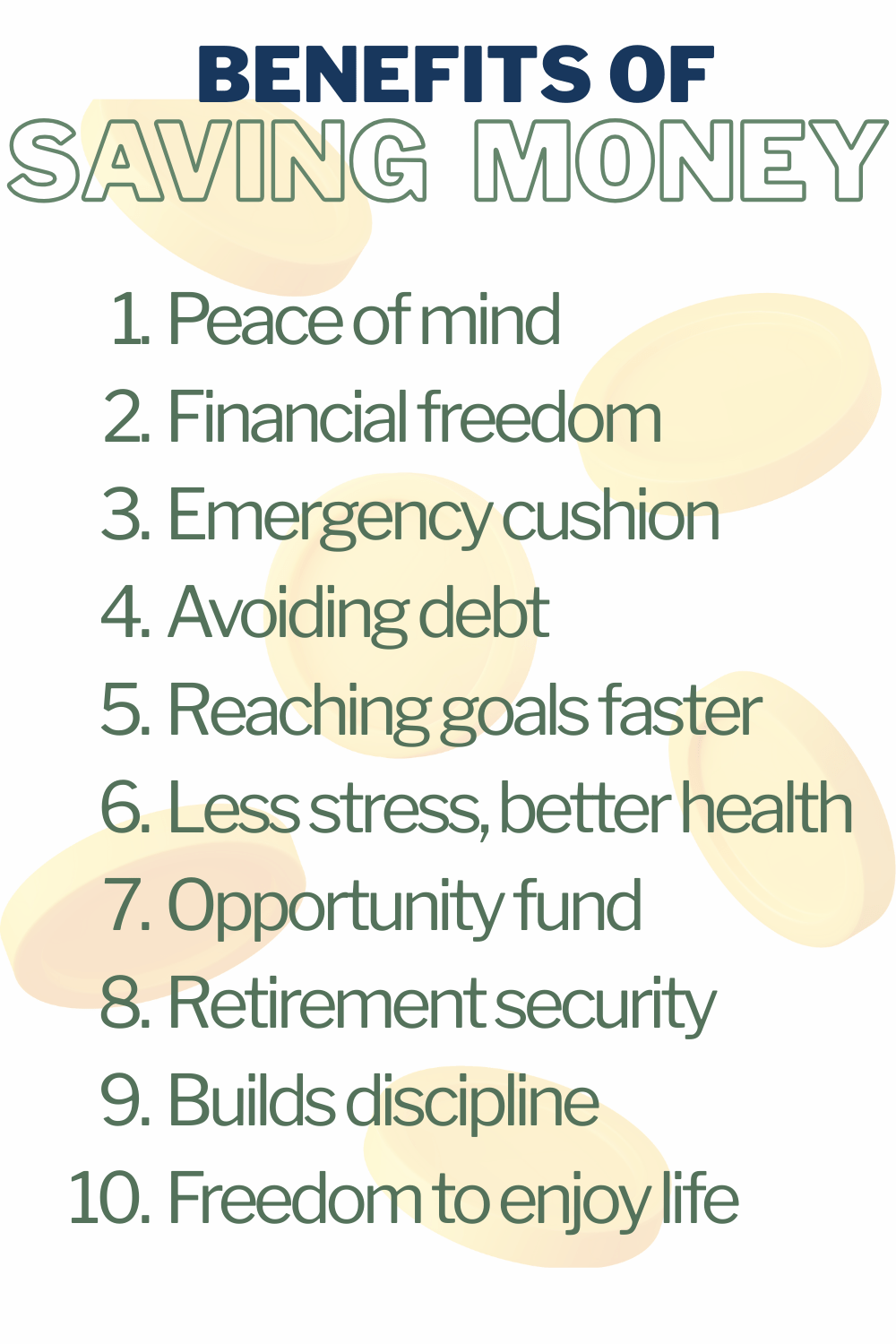
1. Life throws curveballs

Life is full of surprises; we never know what’s coming next. Your car might break down, a medical bill could pop up, or maybe your job situation changes. In those winter days, savings give you a safety net so you’re not scrambling or going into debt when life hits you with an unexpected situation. 

This is exactly why building a proper emergency fund is the first pillar of financial stability, which I explain in detail in my complete financial roadmap.

2. Freedom to make choices

When you’ve money set aside, you have many options. you wanna leave a job you hate? Take a last-minute trip? Move to your dream city?

Savings give you the flexibility to make moves without stressing about every dollar.

3. Peace of mind

There’s something super calming about knowing that you’ve got a cushion to fall on in the situation hits you hard.

Even if you don’t use it, just knowing it’s there helps you sleep better at night. 

4. Avoiding debt traps

people with no savings live their life on credit card and loans. They pay high interest and late fees to banks and get trapped in debt cycle, which may take years of pain to get out of.

5. Reaching big goals faster

Whether you want to buy a house, start a business, or take a vacation, savings make it happen. That “someday” goal doesn’t feel so far away.

Okay, now let’s jump on to the tips, which will take your financial health to the next level.

Have you ever felt like you’ve heard the same money-saving advice a hundred times, “skip the lattes, cut out on Netflix, blah blah blah”?

same here….

But, what if I told you that there are other unique ways to save money which doesn’t force you to cut back on your lifestyle spendings for months and years.

Don’t trust me??

In this post, I’ve shared 10 unique and easy ways to save money that actually work without turning your life upside down. These tips are fun, practical, and perfect for anyone tired of outdated advice.

Wait a second….before we move forward, let us understand, “what is savings?”

Savings basically means setting some of your money aside from your after-taxed income. Instead you spending it all.

So, when you get your next pay check, you don’t spend every bit of it; rather, you keep a portion of it.

You can save it in a bank account which will pay you interest every month, a savings jar at home, or even invest it somewhere safe.

Here, I have got you covered check out my detailed post in “High Yield Savings Account” also known as “HYSA”.

Everyone is different, and have different objectives for saving money but there are few common reasons why we should have a good amount saved up till the last breath of our life.

1. Life throws curveballs

Life is full of surprises; we never know what’s coming next. Your car might break down, a medical bill could pop up, or maybe your job situation changes. In those winter days, savings give you a safety net so you’re not scrambling or going into debt when life hits you with an unexpected situation.

2. Freedom to make choices

When you’ve money set aside, you have many options. you wanna leave a job you hate? Take a last-minute trip? Move to your dream city?

Savings give you the flexibility to make moves without stressing about every dollar.

3. Peace of mind

There’s something super calming about knowing that you’ve got a cushion to fall on in the situation hits you hard.

Even if you don’t use it, just knowing it’s there helps you sleep better at night. 

4. Avoiding debt traps

people with no savings live their life on credit card and loans. They pay high interest and late fees to banks and get trapped in debt cycle, which may take years of pain to get out of.

5. Reaching big goals faster

Whether you want to buy a house, start a business, or take a vacation, savings make it happen. That “someday” goal doesn’t feel so far away.

Okay, now let’s jump on to the tips, which will take your financial health to the next level.

You save money money will save you-min

1. Have a “No-Spend Theme Week” Each Month

Give your wallet a little break. Think of a “No-Spend Theme Week” as hitting the pause button on your spending for at least a week. In the beginning, you can start with one no-spend day, then gradually extend it to one week.

Challenge yourself to spend absolutely nothing on wants, no coffee runs, no online shopping, not even a dollar at the gas station.

You can check out here if you need help to get ready in advance for a no-spend week.

Trust me, it’s a fun way to get creative with what you already have at home, avoiding blowing cash out on little things that add up. It’s an easy habit that helps you save without feeling like you’re pinching pennies.

2. Use the “Reverse Shopping Cart” Trick

Before hitting that “Place Your Order” button at the check out, leave your items in the cart for at least 48 hours.

Ask yourself, “Do you really need those and can you buy those items for cash?” If the answer is “Yes” then shop around for better price and buy it.

On the contrary the answer is “No” then you have should postpone the purchase unless the items are necessary to buy.

By doing this small exercise, you will pass the urge of impulse buy, save money, and skip purchase regrets.

3. Rent or Swap Instead of Buying

Many people hesitate to ask for favour from peers or don’t like used items, for smaller projects or events in their daily life and end-up spending hundreds of money yearly.

Which can be less-expensive or completely avoided.

Painting a room, throwing a birthday party, or going camping? Check out local buy-nothing groups, ask your neighbour for help and you help them when they need anything, or rentals for a day or two, before buying that ladder, folding table, or portable stove. 

4. “Round-Up Challenge” with Digital Payments

Try the round-up challenge; It worked for me. It’s super simple trick, every time you purchase with your debit or credit card, the amount gets rounded up to the nearest dollar and that spare change goes to your linked-savings account.

Many banking apps already offer this automatic feature, so once you set it up, you are all set. It is a very easy way to save money without even thinking about it.

5. Unsubscribe From “Sale” Emails

Is your inbox flooded with those flashy “50% OFF” or “SALE ends tonight” emails? And, you get tempted by the deals they offer. If yes, or maybe not in both conditions, you do not need them.

These emails are creatively designed to push you into impulse buying.

Honestly, the smartest move is hit unsubscribe. That way, you’re cutting off the constant temptation right at the source.

Out of sight, out of mind…

Instead, you’ll have a cleaner inbox, a clearer mind, and more cash left in your wallet.

10 benefits of saving money

6. Turn “Hustle Time” Into Entertainment

Instead of losing track of time scrolling through TikTok, IG, or binging another Netflix series, it will be wise to flip that downtime into something that actually pays you back.

Just 30 minutes a day is enough to knock out simple micro-tasks like online surveys, using cashback apps, or even reselling things you no longer use.

It’s super easy, doesn’t take much brainpower, and can actually be pretty fun.

The best part is that little chunk of “entertainment time” starts putting real cash in your pocket.

7. Host Clothing & Kitchen Swap Gathering

This idea of hosting a clothing and kitchen swap gather is really a fun way to save money.

Instead of spending cash on new outfits or gadgets, why don’t you invite your friends, family, or neighbors to bring gently used clothes, cookware, or kitchen tools they no longer need?

Everyone gets to “shop” each other’s items for free, and it turns into a social event filled with laughs, stories, and maybe even some snacks. Not only do you score new-to-you pieces without opening your wallet, but you also declutter your home and help others do the same, “a total win-win situation”.

8. Use “Bill Negotiation Bots” or “Negotiate the bill yourself”

This is my personal favorite, and I use this trick all the time….

Paying bills doesn’t always mean you have to accept the first numbers you see. As we all know, internet and phone companies offer massive discounts to switch or start new service for the first 2 to 3 years, and then they raise the prices significantly. Many people are using AI or bots to call and negotiate with the provider on their behalf. I like to call myself. 

First of all, I shop around for a better deal available in the market and then give my service provider a call, mentioning that I’ve a better offer than I am using now, and ask them to match the new offer or tell them you are considering switching to new provider. You will be surprised by how they will lower your cost. 

On the other hand, if they don’t drop the price, no problem, simply switch to new provider. This little effort will save you serious money every month.

9. Create a “Treat Yourself” Fund with Leftovers

Who knows this better than me? When you are on a tight budget, every little splurge makes you feel guilty. But, not anymore…..Instead, I started preparing my meals at home, did little research on buying my staples at better prices than I usually bought, used coupons where possible, used my budget for groceries, and tossed that saved money into my “Just for fun” account. This way, now I enjoy guilt-free fun. 
It’s indeed a smart way to reward yourself without wrecking your budget, making saving feel more motivating.

10. Get Paid to Walk (Literally)

Why not turn your daily steps into cash? With apps and programs that pay you to walk, your regular strolls, errands, or even dog walks can actually put money in your pocket.

YES!!…..It’s simple: track your steps, reach milestones, and watch the rewards pile up in gift cards, points, or even real cash. 

The best part is you’re getting healthier, “Don’t you?” while making a little extra on the side, no extra effort required. Instead of scrolling phone on the couch, put those steps to work.

In My Opinion

If you’re serious about transforming your finances beyond these small tweaks, I highly recommend reading my complete financial system guide where I explain saving challenges, budgeting strategies, debt payoff, and automation in one place.

At the end of the day, saving money doesn’t have to feel like punishment; it’s more about making small, smart tweaks that work for you.

I’ve tried every one of these strategies myself, and honestly, they’ve made a big difference in how I handle my finances without feeling deprived.

Of course, it is hard to follow it consistently.

Yes, sometimes it feels low-grade

It takes lots of willpower to “say no” to wants and impulse buys.

But remember, this is temporary, until you reach financial freedom.

Alright, folks, that’s it for now. If you find this post helpful, please share it with your friends and family.

If this post helped you, share it with someone who needs it.

Have questions or tips of your own? Leave a comment, I personally read and respond to every message.

Your financial journey matters.

Thank you so much for your read.