
Posted On June 12, 2026 By Gokkul A.
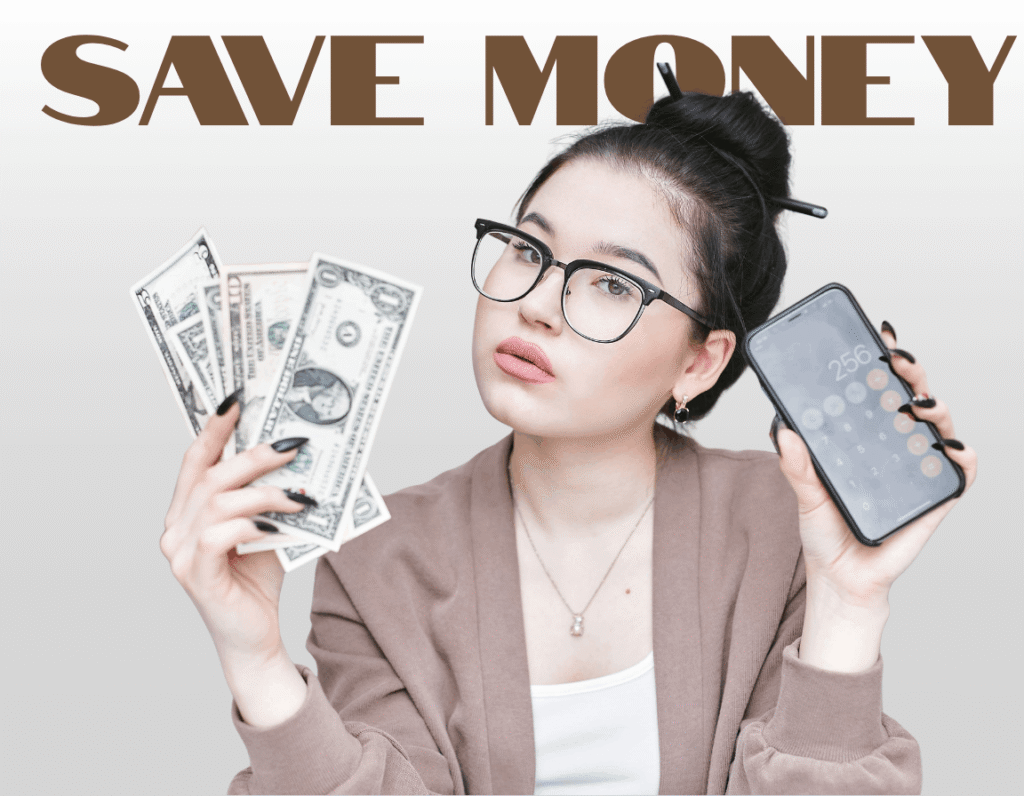
Most people think saving money requires earning more, taking on a side hustle, or making huge sacrifices. But that’s not real. One of the fastest ways to improve your finances is to stop spending money on things that add little value to your life.
The average household leaks hundreds of dollars every month through small, recurring purchases that often go unnoticed, and I don’t need to give any proof to prove my point; we all witness it around us. A coffee here, a subscription there, an impulse purchase while shopping, these expenses seem harmless on their own, but can add up to hundreds or even thousands of dollars every year.
If your goal is to save money fast, build an emergency fund, pay off debt, or simply gain more control over your finances, the list I have below will definitely help you.
Here are 50 things you should stop buying to save $500 or more every month, potentially.
Food and Drink Expenses
1. Daily Coffee Shop Drinks
A $5 coffee purchased five days a week costs over $100 per month. Making coffee at home can save a surprising amount.
2. Bottled Water
A reusable water bottle can eliminate this expense almost entirely. Buy a filter pitcher instead.
3. Soda and Energy Drinks
These drinks are expensive and often consumed out of habit rather than necessity. Find cheap alternatives, like adding fresh lemon juice to water; it is the best energy drink.
4. Fast Food
Even a few fast-food meals each week can cost hundreds of dollars monthly. Instead, prep ahead of time, so you can have it in very little time whenever you are hungry.
5. Food Delivery Fees
Delivery charges, service fees, and tips quickly inflate meal costs. If you should order your meal, pick it up yourself. You will save tons of money in fees and other charges.
6. Pre-Cut Fruits and Vegetables
Why do you need pre-cut veggies? Convenience often comes with a significant markup. Chop your own veggies to save 40% on groceries
7. Name-Brand Groceries
Stop going after brand names that charge much more than the real worth of the product. Many store-brand products offer nearly identical quality for a lower price.
8. Individually Packaged Items.
If you buy a single pack of toothpaste from a retail store, it will be more than 30% expensive than the pack of three at Costco. Buy daily-use items in bulk to save in the long run.
9. Excessive Takeout
Track your take-outs and see if you can pause or limit them for special occasions only, it will save you money and health both.
10. Impulse Grocery Purchases
The best thing I do to stay in budget is shop with my shopping list only, which helps a lot to stay in budget and reach my savings goal fast. A list can prevent unnecessary spending.
Subscription Expenses
11. Unused Streaming Services
Go through your six-month credit card statement and find out how many subscriptions you are not using. Cancel them immediately. This will help you seal your pockets.
12. Multiple Music Subscriptions
There are many sources of free music. Use them, without paying them a dime.
13. Unused Gym Memberships
Paying for a “someday” habit? If you haven’t used it in a month, cancel and switch to free home workouts.
14. Premium App Subscriptions:
Cancel the small $5–$15 monthly fees for photo editors or productivity tools that you rarely open.
15. Subscription Boxes:
Curated surprises often include items you wouldn’t buy yourself at full price.
16. Magazine Subscriptions:
whether you have digital or print issues that only pile up unread, adding clutter instead of value. Stop them immediately if you have one.
17. Gaming Memberships:
If you are not a pro gamer and paying for “Pro” tiers or monthly passes when you only play one or two games occasionally, It really makes no sense to me to keep paying.
18. Duplicate Cloud Storage:
Are you paying for Apple iCloud, Google One, and Dropbox simultaneously instead of consolidating? If so, change it ASAP.
19. Paid Newsletters:
Do you have a paid newsletter? Niche content that often stays in your inbox unread; try to search online, most information is available for free elsewhere.
20. Automatic Renewals:
Look for any services or memberships you might have and forgot to cancel. Those “forgotten” charges hit your card annually for services you no longer use.
Household Expenses
- Paper Towels: It is a recurring cost that can be eliminated by switching to washable microfiber cloths. If you think paper towels are misused or overused in your household.
- Disposable Cleaning Products: Single-use wipes and mop pads are significantly more expensive than reusable sponges and sprays.
- Single-Use Kitchen Items: Gadgets that only do one thing (like an avocado slicer) take up space and money; it’s better to spend on a good knife.
- Decorative Home Purchases: Many people buy “knick-knacks” just to fill a shelf rather than waiting for pieces that truly matter, and later regret pretty soon when it creates visual pollution.
- Excessive Candles/Fragrances: You can have one good quality sent to freshen your room air and save lots on a high-margin luxury that literally “burns” money.
- Trendy Storage Solutions: Why buy bins to organize clutter? You should actually just declutter for free.
- New Furniture: Replacing functional items for a “new look” before the current ones are actually worn out. Wait until they are completely out of shape.
- Seasonal Decorations: This happens to everybody, where we keep buying new plastic decor every holiday instead of reusing a classic, timeless set.
- Premium Cleaning Products: Don’t get into the Name-brand trap; specialty cleaners. They often do the same job as basic vinegar, baking soda, or generic brands.
- Duplicate Household Items: Buying a second hammer or set of measuring cups because you can’t find the first one.
Personal Spending
- Trendy Clothing: These clothes are often priced higher because of their hype in the market. These items will be “out” by next season and have zero resale or long-term value. So, stay away from it.
- Impulse Fashion: Don’t just buy clothes because they are on sale; buy them because they fulfill a specific need in your wardrobe.
- Designer Brands: Buying brands is just paying a massive markup for a logo when the quality difference is often negligible with generic or store brands.
- Unused Beauty Products: Optimize your products, see what works for you and what not clear the “graveyard” of half-used lotions and serums that didn’t work for you, and never buy them again.
- Duplicate Makeup: Buying a third red lipstick or nude palette when you already have identical shades it makes absolutely no sense. This habit is a big money drainer; choose quality over quantity.
- Frequent Nail Appointments: Spending $60+ every two weeks on services that can be done at home for a fraction of the cost. Buy a nail art kit online and watch free videos for styles, or search on Pinterest for lots of free DIY ideas.
- Expensive Hair Treatments: learn to say “no” to high-cost salon extras (like deep conditioning) that can often be replicated with at-home products.
- New Accessories: Buying new bags, belts, or jewelry every season to match “fast fashion” trends, it is just a waste of money. Don’t buy until you need them.
- Premium Shaving Products: Expensive multi-blade, expensive cartridges that aren’t necessarily better than traditional safety razors.
- Unnecessary Self-Care: Commercialized “wellness” products (like expensive bath bombs) that aren’t essential for actual mental health. There are many free or inexpensive ways to take better care of yourself.
Lifestyle Spending
- Lottery Tickets: Don’t waste your hard-earned money on “tax on hope” with a near-zero return on investment; that $10/week is $520 a year.
- Impulse Online Purchases: Late-night “one-click” buying triggered by boredom rather than necessity, which costs you that much of the amount that can help you get financial freedom.
- Daily Convenience Stops: Stop your daily convenience store visit. Grabbing a $3 drink or snack daily adds up to $90/month in “lost” money.
- Extended Warranties: Statistically, these are high-profit items for retailers and rarely provide more value than the manufacturer’s warranty.
- Phone Upgrades: Trading in a perfectly functional phone just for a slightly better camera or a new color is a completely insane move. Instead, Wait until you really need it.
- Trendy Gadgets: “Smart” items (like connected water bottles) that solve problems you didn’t know you had, and steal money out of your pocket.
- Excessive Holiday Spending: Feeling pressured to over-gift or buy new outfits for every single social event. please, change this habit ASAP because those items are not necessary and definitely they are not making you rich.
- Convenience Services: Paying 30% markups on food delivery or grocery assembly when you are capable of doing it yourself. Please pay attention to the end of the bill, and you will be shocked to know how much extra money you are paying to get food to your door.
- Unused Hobby Gear: Buying top-tier equipment for a hobby you haven’t actually committed to yet. That investment is called negative asset which will take and/or will keep taking money out of your pocket.
- Purchases to Impress: Stupidly spending money on a lifestyle you can’t afford to keep up appearances for people who aren’t paying your bills. Impress through your knowledge and the values you have.
One of the most powerful financial habits is learning to separate your needs from social pressure.
How Much Could You Really Save?
You don’t need to eliminate all 50 items to see results.
Consider this example:
| Expense | Monthly Savings |
| Coffee Shop Drinks | $100 |
| Food Delivery | $80 |
| Streaming Services | $40 |
| Fast Food | $120 |
| Impulse Purchases | $150 |
| Unused Subscriptions | $50 |
Total Potential Savings: $540 per Month
That’s more than $6,000 per year.
A Simple Challenge
Choose 10 items from this list and stop buying them for the next 30 days.
Track every dollar you save and transfer that money into:
- an emergency fund
- debt payments
- retirement savings
- a future financial goal
The objective isn’t deprivation. It’s becoming intentional with your money.
Final Thoughts
Building wealth isn’t always about earning more. Sometimes it’s about spending less on things that don’t truly improve your life.
Small expenses may seem harmless, but when combined, they can quietly drain hundreds of dollars from your budget every month.
By eliminating unnecessary purchases and focusing on what genuinely matters, you can save $500 or more each month, reduce financial stress, and move closer to your financial goals.
Remember: every dollar you don’t spend is a dollar you can use to build a stronger financial future.